The Monastic Hermitages of Southern Peloponnese
Published June 2025 · 8 Minute Read · Words by Editorial Staff
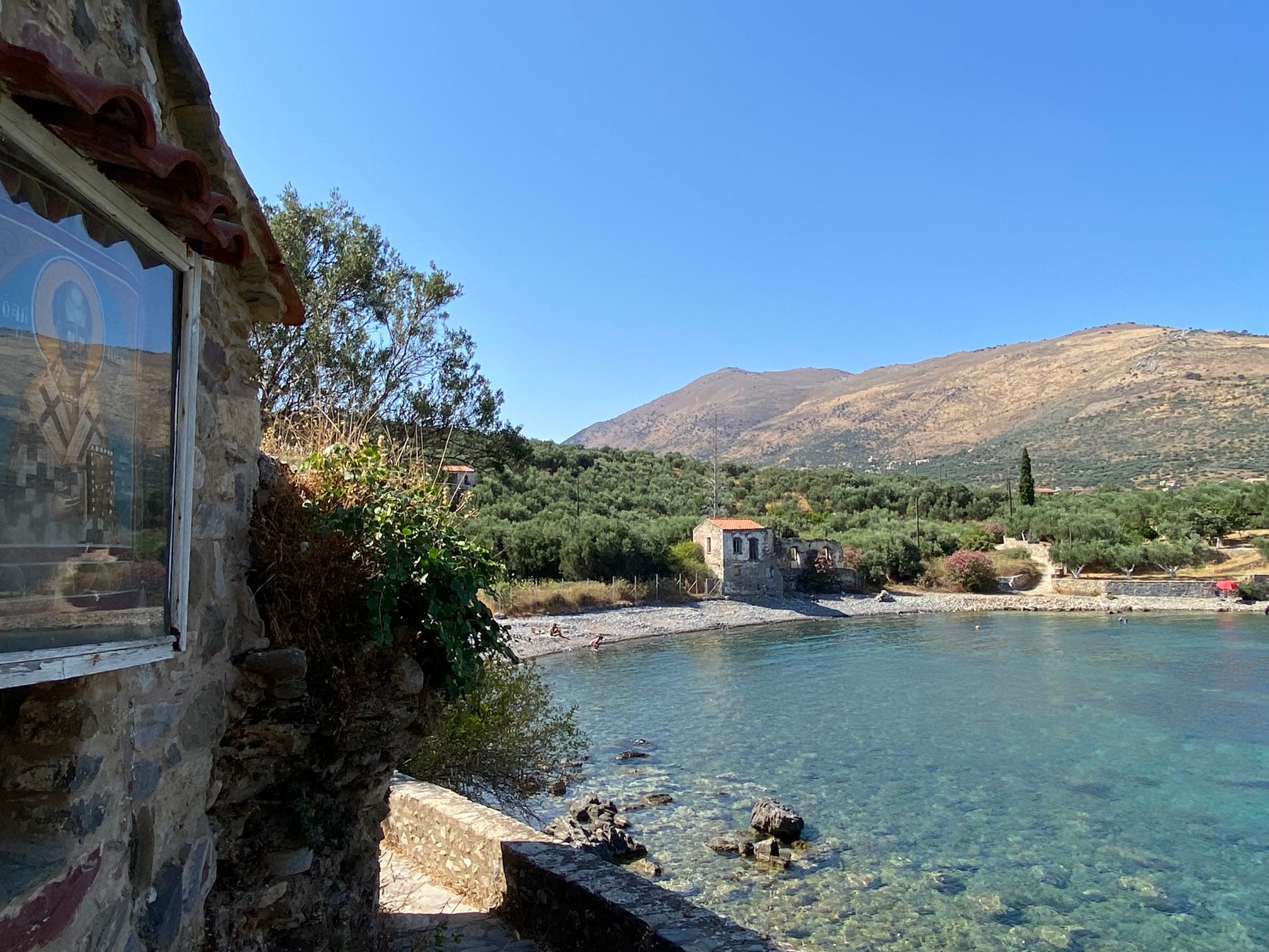
"To enter the inner courtyard of a Mani tower house at noon is to experience the raw acoustic silence of sun-baked limestone."
South of Kalamata, where the Taygetos range descends into the sea like petrified vertebrae, there is a stretch of coast where time appears to have settled into geological permanence. The architecture here is neither decorative nor hospitable in the conventional sense. Built from the very stone on which it stands, each dwelling was conceived both as a sanctuary and as a fortress against seaward tempests.
The Geometry of Austerity
In the monastic hermitages scattered between Kardamyli and Cape Matapan, water is collected through terracotta cisterns channeled into polished subterranean vaults. The monks who historically tended these gardens understood the discipline of sparse resources: wild mountain savory, silver-leafed olives, and salt scraped directly from coastal basins.
Walking along these cliffside pathways, visitors notice an absence of urban ambient hum. Only the rhythmic crash of swell against limestone grottos and the periodic call of kestrels accompany the afternoon. It is an unvarnished environment that demands slow acclimation and respect for local rhythms.
"True luxury in travel is not abundant amenities, but the complete removal of trivial distractions."
Field Notes for the Mindful Traveler
To reach these sanctuaries respectfully, one must avoid the midsummer tourist surge. Visit between late September and November, when the heat has subsided and the sea retains its thermal warmth. Arrive with walking shoes suited for loose scree, carry sufficient drinking water, and respect gated monastic quarters.