Fermentation Trails along Lake Biwa
Published May 2025 · 6 Minute Read · Words by Culinary Curator
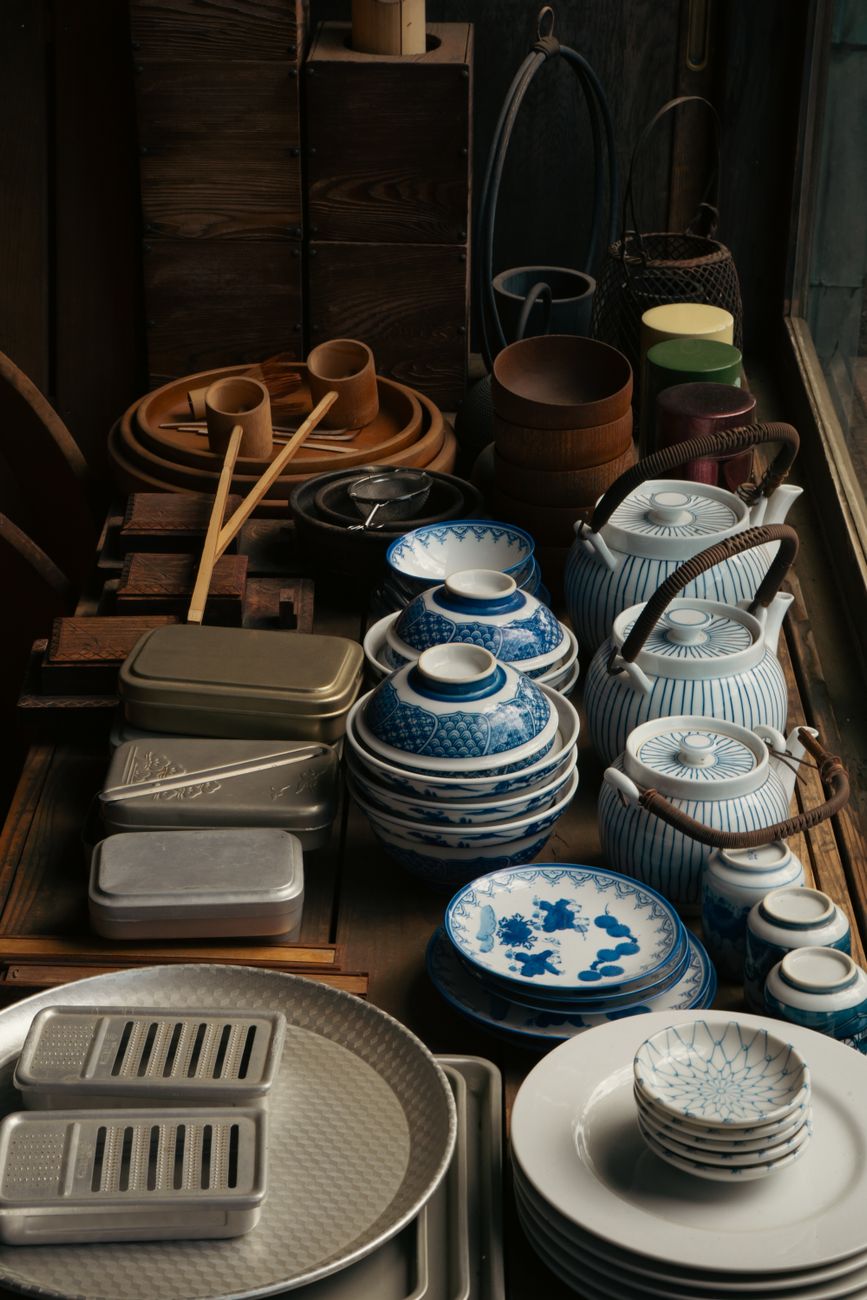
"Before soy sauce and refrigeration transformed regional Japanese cooking, freshwater preservation reigned supreme along the reed marshes of Shiga."
Lake Biwa is Japan's oldest freshwater body, its shores holding culinary rituals preserved for over a millennium. Here, the production of funazushi—the ancient precursor to modern nigiri sushi—continues in small family-run cellars where carp caught during the rainy season is cured in salt, then aged in fermented rice for up to two years.
The Chemistry of Patience
Entering the warehouse of a third-generation master in Takashima, the aroma is unmistakable: deeply acidic, complex, reminiscent of aged blue cheeses and dry cider. Unlike industrial food production, the fermentation of funazushi depends directly on local microclimates, mountain breezes descending from Mount Hira, and the mineral composition of local spring water.
Visiting these masters requires humility and an appetite for strong historical flavors. Paired with unpasteurized local sake, a single thin sliver of carp reveals layers of umami that challenge western preconceptions of fish preservation.
Preserving Lakeside Craft
As young generations move toward Tokyo, these artisanal producers work with sustainable fishing cooperatives to preserve the endemic nigorobuna carp populations. For the culinary wanderer, supporting these producers by staying in family-run minshuku along the northwestern shore offers direct connection with an endangered food heritage.